

Peachtree Wellness Solutions is in Peachtree City, Georgia, about 435 miles from downtown Raleigh. Some Wake County families consider the trip because of waitlists, privacy concerns, or insurance coverage.
Early on a weekday, Dix Park fills with runners and dog walkers crossing the Big Field while the downtown towers catch the light. Plenty of the people jogging past the old brick buildings on the hill know the land used to be Dorothea Dix Hospital, the state psychiatric hospital, for more than a century and a half. Fewer think about what replaced it. Raleigh grew fast around that park, and the care that used to sit on the hill spread out across clinics, hospital units, and private practices with waitlists. The result is a city with a lot of behavioral health resources and a lot of people who still cannot get into the right one.
Peachtree Wellness Solutions provides outpatient mental health treatment for adults in the south Atlanta suburbs, treating depression, anxiety, bipolar disorder, trauma, and the substance use that often comes along with them. North Carolina is one of the states we serve, and mental health care for North Carolina residents looks different depending on the corner of the state a family is leaving. For Wake County families, the first consideration is the trip to Georgia.
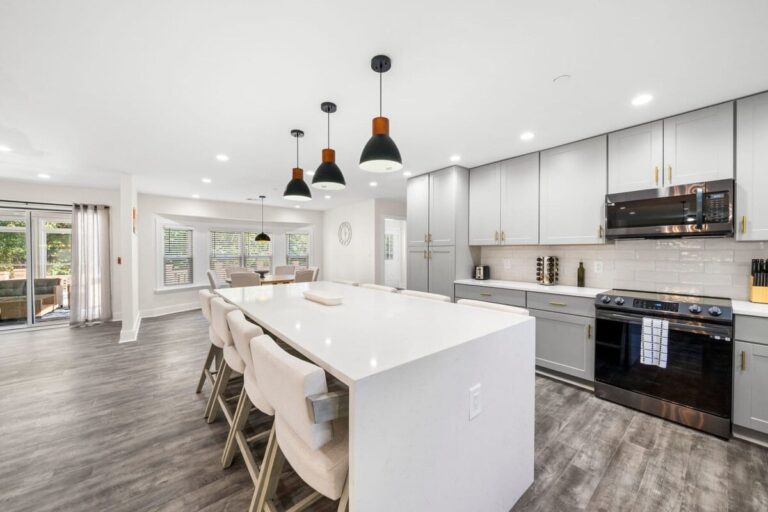
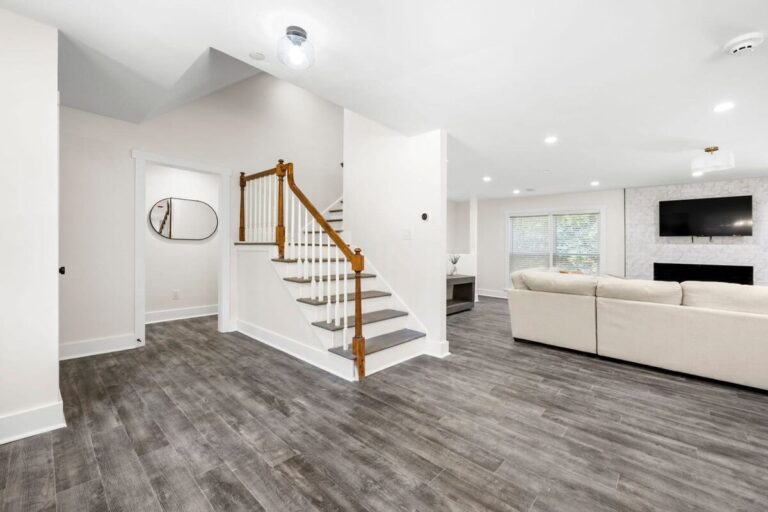
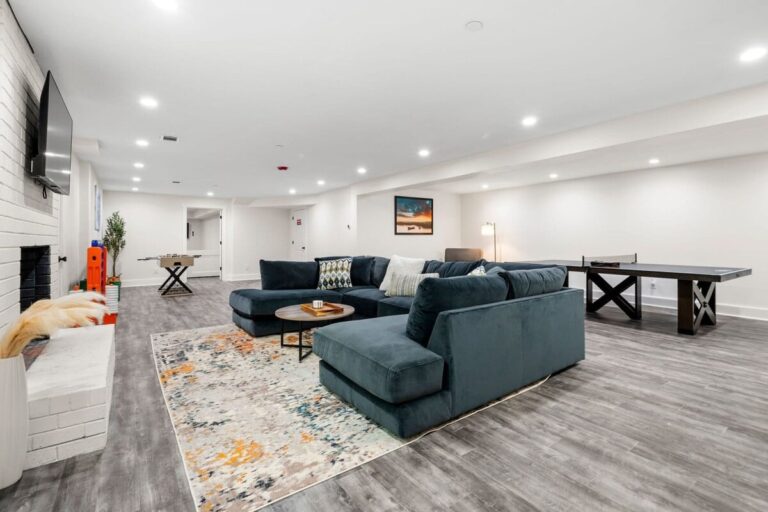

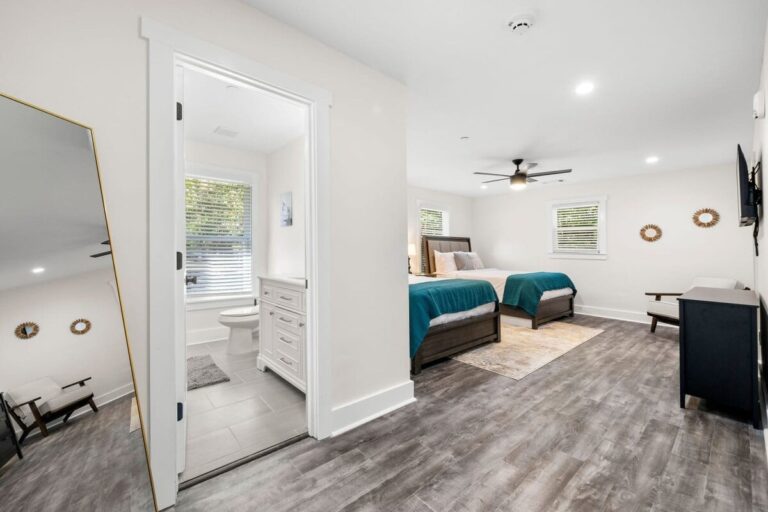
The Triangle to Peachtree City, Mile by Mile
The drive is long and simple. From Raleigh, take I-40 west past the Durham and Chapel Hill exits to Greensboro, then I-85 south through Charlotte, Gastonia, and the South Carolina Upstate. After the Atlanta metro, the last stretch runs down GA-74 into Peachtree City. Call it 435 miles and six and a half to seven hours without long stops. Durham and Chapel Hill shave off 20 or 30 minutes. Cary and Apex add a few.
Flying cuts the trip to a few hours. Raleigh-Durham International has nonstop service to Hartsfield-Jackson, the flight is under two hours, and Peachtree City sits about 45 minutes southwest of the airport, down I-85 and out GA-74. Many families split it: the person in treatment flies down, and someone drives the car later so there is a way to get around during the program.
Either way, this is not a commute. Programming is in person at Governors Trace, starting at 9:00 every weekday morning, and nobody drives in from Wake County for a Tuesday session. Coming from the Triangle means living in the south metro for several weeks. That takes more planning than choosing a program across town: time off, a place to stay, and someone to look after things at home.
Why Raleigh Families Consider a Program So Far Away
For most adults in the Triangle, the right care is closer to home. The families who do call Georgia usually have one of a few reasons.
When the Wait Is the Problem
The Triangle has strong health systems. UNC Health and Duke Health both run psychiatric and behavioral health services, and there are private programs from Garner to Wake Forest. Even so, the step between a hospital discharge and a weekly therapist (several mornings a week of structured care) is the step that fills first. When someone is discharged from an inpatient unit on a Thursday and the nearest open spot at the right level is weeks out, a seven-hour drive starts to look like the faster option.
When Raleigh Is Too Small a Town
Raleigh is a capital city, and a lot of its working life runs through state government, NC State, the hospital systems, and the companies in Research Triangle Park. Those are close professional worlds where people know each other across agencies and labs. Running into a coworker in a group room in North Hills is a real fear for a person in a public-facing job. Some people in those jobs find it easier to start treatment several hundred miles from anyone who knows their title.
When Coverage Narrows the List
Fort Bragg is about an hour south of Raleigh, and Seymour Johnson Air Force Base is about an hour east in Goldsboro. Active-duty families, reservists, and military retirees across the region carry TRICARE. Peachtree Wellness Solutions is in-network with TRICARE East Select and Prime, and with Optum plans including UnitedHealthcare, UMR, Oscar, and Surest. For a household that keeps hearing “we don’t take that plan,” a contracted program a day’s drive away may beat an out-of-network program across town.
What Daily Treatment Looks Like Here
The two levels of care differ mostly in how much of the day they use. The partial hospitalization program runs from 9:00 a.m. to 4:00 p.m., Monday through Friday. It is for someone who is past an acute crisis but not yet able to handle a normal day. The intensive outpatient program runs mornings only, five days a week or three. Many people start in PHP and move to IOP as things settle.
Therapies in the Schedule
- Cognitive behavioral therapy: CBT helps a person notice and test the automatic thoughts behind depression and anxiety, such as “I can’t handle this,” before they turn into decisions.
- Dialectical behavior therapy: DBT teaches emotion regulation, which means specific skills for riding out a wave of anger, panic, or despair without acting on it.
- Bipolar and mood care: For someone whose moods swing between depression and mania, bipolar disorder treatment pairs therapy with close attention to sleep, routine, and early warning signs.
- Calming the nervous system: Neurofeedback, a form of brain-training that uses real-time feedback on brain activity, sits alongside somatic therapy, trauma-informed yoga, and the Biosound therapy room.
- Medication insight: Pharmacogenetic testing, a cheek-swab test of how your body is likely to process certain medications, can help when several prescriptions have already failed.
Weekly individual therapy with a master’s-level therapist runs alongside the group work. When drinking or drug use is part of the picture, it is treated together with the mental health condition rather than handed off to a separate program later.
The setting matters more than people expect. Peachtree City is a planned town laid out around golf-cart paths that wind through the woods between neighborhoods, with GA-54 and GA-74 carrying most of the traffic past it. After months of Beltline traffic and a calendar with no gaps, the slower pace gives a stressed nervous system room to come down.
Starting With What North Carolina Offers
A family in Raleigh should check local options before booking anything in Georgia. North Carolina’s behavioral health system is coordinated by the state’s Division of Mental Health, Developmental Disabilities and Substance Use Services. Its crisis services include Mobile Crisis Teams, which will meet a person in a safe place at no cost, and Open Access walk-in clinics that offer same-day support. In an emergency, those services, 911, and 988 come first.
Where the system strains is the structured middle, the several-days-a-week care for someone who is too unwell for a weekly appointment and not unwell enough for a hospital bed. That shortage is not unique to North Carolina, and it is not a sign that a family missed something obvious. If an assessment finds that a program in Wake or Durham County fits and has room, that is the better choice, and we will say so.
Insurance, and the Question Behind It
A Raleigh address does not change your network status in Georgia. The plan decides that. A State Health Plan member or a BCBS of North Carolina member should not assume they are covered here, since Peachtree Wellness Solutions is contracted with Optum plans and TRICARE East rather than every carrier. Admissions will check your card and tell you plainly where you stand.
Under the federal mental health parity law, most plans that cover mental health and substance use care cannot limit those benefits more tightly than they limit medical and surgical care. Parity does not erase deductibles, copays, or prior authorization. Admissions reviews your specific benefits before an assessment, so the cost question is answered early.
We Work With Most Insurance
Most major health insurance plans with out-of-network benefits can cover the costs associated with our program. Find out your coverage options right now.





From Raleigh, Talk It Through Before Anyone Packs
A first call does not commit anyone to seven hours of interstate. It is a conversation with someone who can hear what the last several months have been like and tell you whether structured outpatient care is the right level, and whether it makes more sense here or closer to the Triangle. Plenty of these calls come from a parent in Cary or a spouse in Wake Forest before the person who needs care is ready to talk, and that is a perfectly good way to begin. Reach the Peachtree Wellness Solutions admissions team to go over coverage, the schedule, and a realistic plan for where to stay. If someone is in danger tonight, call or text 988 or call 911 first.
FAQs About Mental Health Treatment for Raleigh Residents in Peachtree City, GA
About 435 miles, or six and a half to seven hours of driving, mostly on I-40 west to Greensboro and I-85 south through Charlotte and the South Carolina Upstate. Flying is faster. RDU has nonstop service to Hartsfield-Jackson, and Peachtree City is about 45 minutes southwest of the airport. Because programming starts at 9:00 a.m. on weekdays and is in person, Triangle residents stay in Georgia for the length of the program rather than traveling back and forth.
Peachtree Wellness Solutions is an outpatient program with no housing on its campus. People coming from out of state usually stay in an extended-stay hotel or short-term rental in Fayette or Coweta County, or with relatives in the Atlanta area. Admissions talks through the options on the first call, because where you sleep, how you get to Governors Trace each morning, and how long you can be away all affect whether this program is a good fit.
It depends on the plan, not the state. Peachtree Wellness Solutions is in-network with Optum plans (UnitedHealthcare, UMR, Oscar, and Surest) and with TRICARE East Select and Prime, which matters for families tied to Fort Bragg or Seymour Johnson. Other carriers, including many State Health Plan and BCBS of North Carolina policies, may not be in-network here. Admissions checks your specific benefits before an assessment and tells you plainly what they cover.
That is a reasonable reaction, and sometimes it is the right one. Treatment works better when a person has agreed to it, and seven hours from home is a big ask. A family member can call first, without the person on the line, to understand the options and whether something closer to the Triangle fits. If the person is in immediate danger, that is a crisis, and 988 or 911 comes before any conversation about programs.
Sources
- North Carolina Department of Health and Human Services. (n.d.). Crisis services. Retrieved from: https://www.ncdhhs.gov/divisions/mental-health-developmental-disabilities-and-substance-use-services/crisis-services. Accessed on October 25, 2026.
- North Carolina Department of Health and Human Services. (n.d.). Division of Mental Health, Developmental Disabilities and Substance Use Services. Retrieved from: https://www.ncdhhs.gov/divisions/mhddsus. Accessed on October 25, 2026.
- National Institute of Mental Health. (n.d.). Bipolar disorder. Retrieved from: https://www.nimh.nih.gov/health/topics/bipolar-disorder. Accessed on October 25, 2026.
- TRICARE. (n.d.). Substance use disorder treatment. Retrieved from: https://www.tricare.mil/CoveredServices/IsItCovered/SubstanceUseDisorderTreatment. Accessed on October 25, 2026.
- Centers for Medicare & Medicaid Services. (n.d.). The Mental Health Parity and Addiction Equity Act (MHPAEA). Retrieved from: https://www.cms.gov/marketplace/private-health-insurance/mental-health-parity-addiction-equity. Accessed on October 25, 2026.
- Substance Abuse and Mental Health Services Administration. (n.d.). Co-occurring disorders. Retrieved from: https://www.samhsa.gov/substance-use/treatment/co-occurring-disorders. Accessed on October 25, 2026.
Overview
- Where it is: 100 Governors Trace, Peachtree City, Georgia, on the south side of the Atlanta metro. The program is not located in North Carolina.
- The trip: Roughly six and a half to seven hours by car, almost all of it on I-40 and I-85. RDU to Hartsfield-Jackson is a short nonstop flight, and Peachtree City is about 45 minutes from the airport.
- What it is: Partial hospitalization (PHP) and intensive outpatient (IOP) mental health treatment for adults, in person on weekday mornings.
- What that means: Coming from the Triangle means staying in Georgia for the length of the program. There is no housing on site, so admissions helps you plan where you would stay.
- Coverage: In-network with Optum (UnitedHealthcare, UMR, Oscar, and Surest) and with TRICARE East Select and Prime.