
Alcohol Rehab – Atlanta, GA

Medically Reviewed
Medically Reviewed by Dr. Bryon McQuirt
Last Updated on:
June 4, 2025
Table of Contents
- What is a Dual Diagnosis Disorder?
- Signs and Symptoms of a Dual Diagnosis Disorder
- How Does Dual Diagnosis Treatment in Atlanta, Georgia Work?
- How Common Is A Dual Diagnosis Disorder?
- How Is a Dual Diagnosis Treated?
- Most Common Dual Diagnosis Disorders
- Benefits of Our Dual Diagnosis Treatment Centers in Atlanta, Georgia
- How to Find the Best Dual Diagnosis Treatment Centers Near Me
- Dual Diagnosis Treatment Centers in Georgia
Begin Dual Diagnosis Treatment in Atlanta, Georgia
We can help you or a loved one overcome addiction and mental health disorders.
Our comprehensive alcohol rehab programs in Atlanta provide evidence-based treatment in a compassionate, supportive environment designed to help you reclaim your life and achieve lasting sobriety.
Located in the heart of Georgia, our facility serves individuals throughout the Atlanta metropolitan area who are struggling with alcohol use disorder.
We believe that recovery is possible for everyone, and our experienced team of addiction specialists, therapists, and medical professionals work together to create personalized treatment plans that address each person’s unique needs and circumstances.
What is Alcohol Use Disorder?
Alcohol Use Disorder (AUD) is a medical condition characterized by an impaired ability to stop or control alcohol use despite adverse social, occupational, or health consequences. Previously known as alcoholism or alcohol addiction, AUD exists on a spectrum from mild to severe, and can develop gradually over time or emerge more rapidly in certain individuals.
The disorder involves persistent patterns of alcohol consumption that lead to clinically significant impairment or distress. Unlike occasional heavy drinking, AUD represents a chronic condition where alcohol use becomes compulsive and continues despite negative consequences. Individuals with AUD often experience strong cravings for alcohol, develop tolerance (needing more alcohol to achieve the same effects), and may experience withdrawal symptoms when alcohol use is stopped or reduced.
AUD affects millions of Americans across all demographics, backgrounds, and socioeconomic levels. It’s important to understand that developing an alcohol use disorder is not a moral failing or lack of willpower – it’s a legitimate medical condition that changes brain chemistry and requires professional treatment to overcome effectively.
Alcohol Rehab Programs in Atlanta
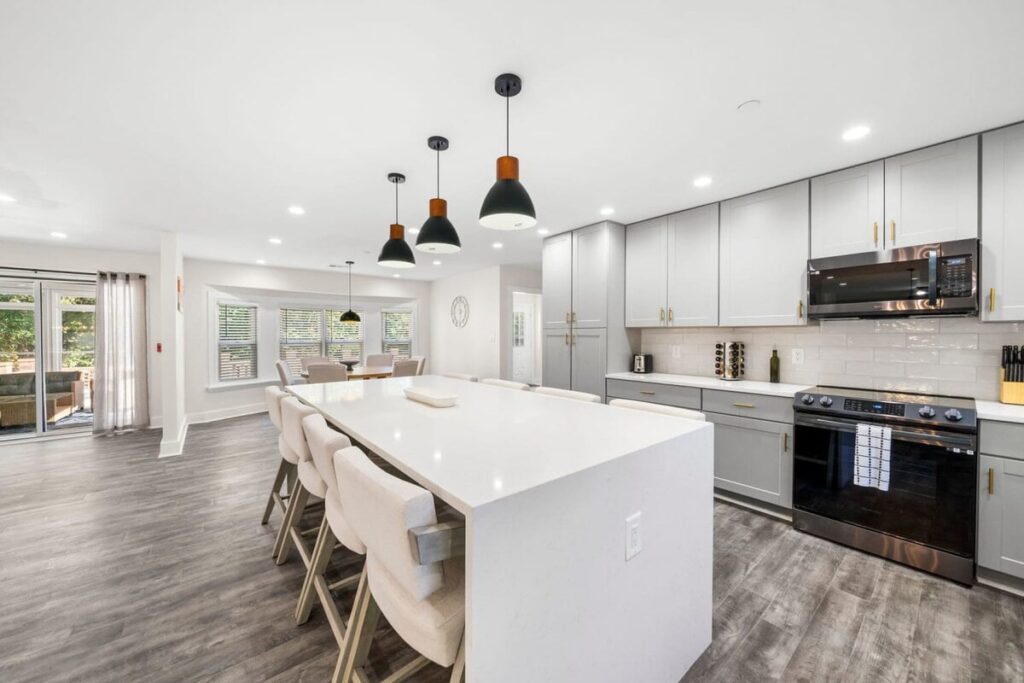
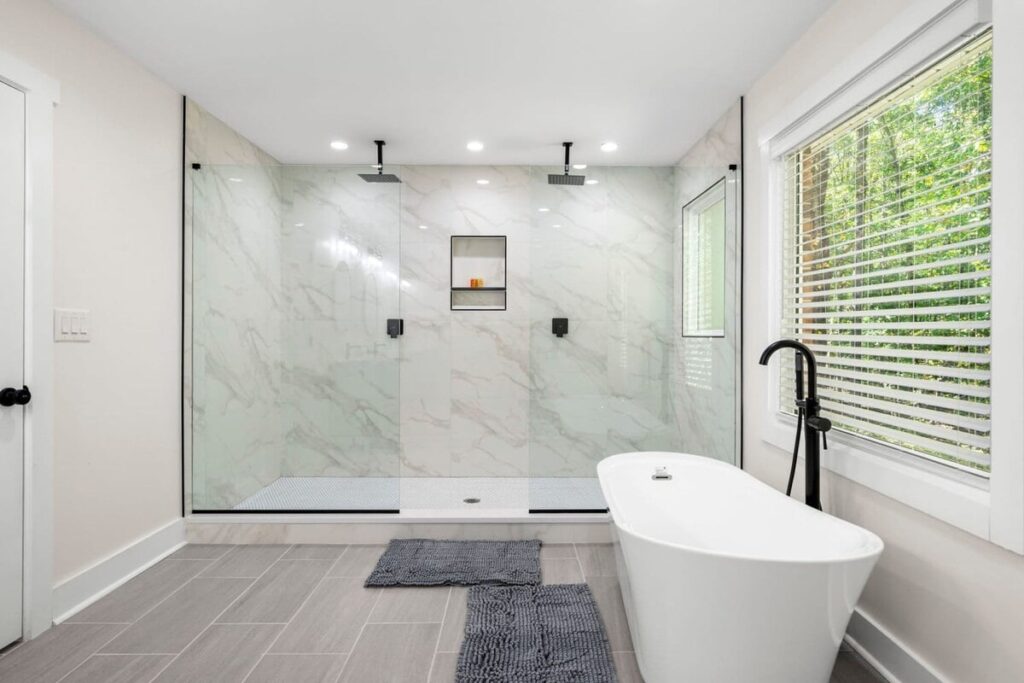
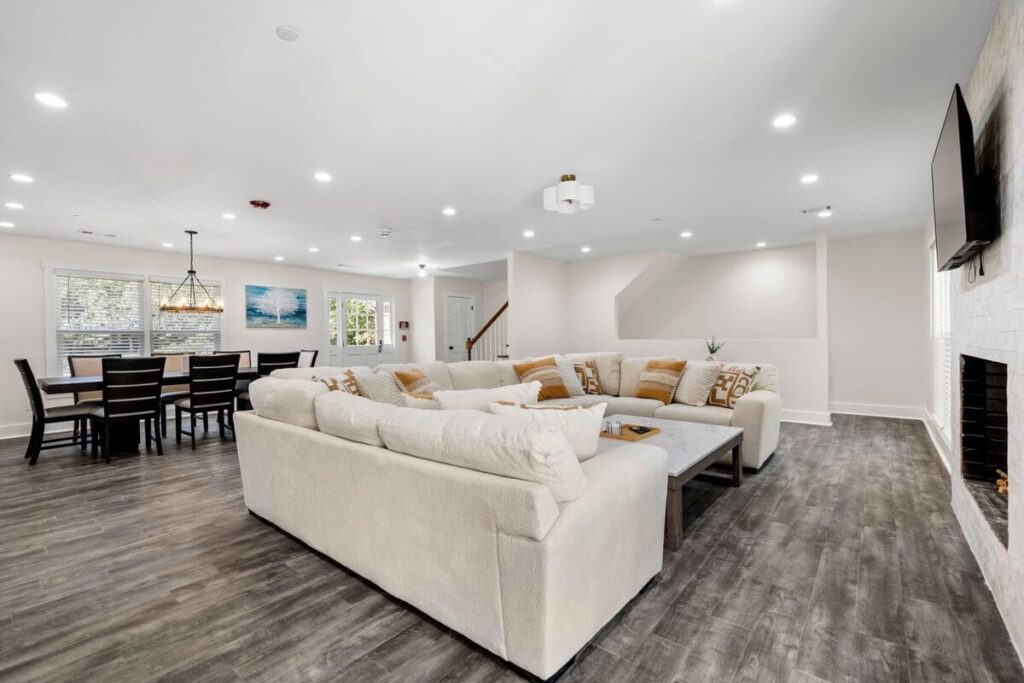
At Peachtree Wellness Solutions, we offer a comprehensive continuum of care designed to meet individuals wherever they are in their recovery journey. Our programs are structured to provide the appropriate level of support and intervention based on each person’s specific needs, severity of addiction, and personal circumstances.
Medical Detoxification
Medical detoxification serves as the critical first step in alcohol recovery, providing safe and supervised withdrawal from alcohol in a controlled medical environment. During detox, our medical team monitors patients 24/7 to manage withdrawal symptoms, which can range from mild discomfort to potentially life-threatening complications such as seizures or delirium tremens.
Our detox program typically lasts 3-7 days, during which medications may be administered to ease withdrawal symptoms and prevent medical complications. The process includes continuous medical supervision, nutritional support, and emotional comfort measures. We understand that detox can be physically and emotionally challenging, so our compassionate staff provides round-the-clock care to ensure safety and comfort throughout this crucial phase.
Residential Treatment
Our residential treatment program, also known as inpatient treatment, provides the most intensive level of care for individuals with severe alcohol use disorder or those who have been unsuccessful with outpatient treatment. Patients live at our facility for typically 30, 60, or 90 days, receiving comprehensive care in a structured, supportive environment away from triggers and stressors that may contribute to drinking.
The residential program combines individual therapy, group counseling, family sessions, educational workshops, and recreational activities. Patients participate in daily therapy sessions, attend 12-step meetings, engage in life skills training, and work with our clinical team to develop coping strategies and relapse prevention plans. The immersive nature of residential treatment allows for deep therapeutic work and the development of a strong foundation for long-term recovery.
Partial Hospitalization Program (PHP)
The Partial Hospitalization Program bridges the gap between residential treatment and outpatient care, offering intensive treatment while allowing patients to return home each evening. PHP participants attend treatment at our facility for 4-6 hours per day, typically 5-7 days per week, receiving many of the same therapeutic interventions available in residential treatment.
This program is ideal for individuals who have completed residential treatment and need continued intensive support, or those who don’t require 24-hour supervision but need more structure than traditional outpatient care. PHP includes individual and group therapy, medication management, family counseling, and skill-building activities, all while maintaining the flexibility to fulfill work or family obligations.
Intensive Outpatient Program (IOP)
Our Intensive Outpatient Program provides structured treatment for individuals who need significant support but can maintain their daily responsibilities. IOP typically involves 3-4 hours of treatment per day, 3-4 days per week, allowing participants to continue working, attending school, or caring for family members while receiving comprehensive addiction treatment.
The program includes group therapy sessions, individual counseling, family therapy, relapse prevention education, and life skills training. IOP participants learn to apply recovery principles in real-world situations while having access to professional support and peer encouragement. This program is often used as a step-down from more intensive levels of care or as a primary treatment option for those with strong family and social support systems.
Outpatient Rehab
Our outpatient rehabilitation services provide ongoing support for individuals in various stages of recovery. These programs offer the greatest flexibility, with sessions typically occurring 1-2 times per week for 1-2 hours each session. Outpatient treatment can serve as an entry point into recovery for those with less severe addiction or as maintenance therapy for individuals who have completed more intensive programs.
Services include individual therapy, group counseling, family sessions, medication management, and access to support groups. The outpatient approach allows individuals to immediately practice recovery skills in their daily environment while maintaining access to professional guidance and peer support.
You are not alone. You deserve to get help.
Peachtree Wellness is an industry leader in mental health treatment. Our team of top medical experts specialize in dual diagnosis treatment and are committed to ensuring that each patient is treated as an individual. Call us today, we’re available 24/7.
What To Expect During Alcohol Rehab?
Beginning alcohol rehabilitation can feel overwhelming, but understanding what to expect can help ease anxiety and prepare you for the journey ahead. At Peachtree Wellness Solutions, we’ve designed our programs to provide a structured yet compassionate approach to recovery that addresses all aspects of alcohol use disorder.
Your journey typically begins with a comprehensive assessment where our clinical team evaluates your medical history, addiction severity, mental health status, and personal circumstances. This assessment helps determine the most appropriate level of care and allows us to create an individualized treatment plan tailored to your specific needs and goals.
During treatment, you’ll participate in various therapeutic activities designed to help you understand the root causes of your addiction, develop healthy coping strategies, and build skills necessary for maintaining sobriety. Individual therapy sessions provide a safe space to explore personal issues, trauma, and triggers, while group therapy offers peer support and the opportunity to learn from others facing similar challenges.
Family involvement is often a crucial component of treatment, as addiction affects entire family systems. We offer family therapy sessions and educational programs to help loved ones understand addiction as a disease and learn how to provide appropriate support during recovery.
Throughout your treatment, you’ll also focus on practical life skills such as stress management, communication techniques, conflict resolution, and relapse prevention strategies. Many programs incorporate holistic therapies, recreational activities, and wellness practices to support overall healing and personal growth.

How Do I Know I Need Alcohol Rehab?
Recognizing the need for professional alcohol treatment can be challenging, as addiction often involves denial and minimization of problems. However, several warning signs indicate that alcohol use has progressed beyond casual drinking to a level requiring professional intervention.
Repeat Attempts to Cut Down Or Quit
Consider seeking alcohol rehab if you’ve experienced repeated attempts to cut down or quit drinking on your own without success. Many individuals find themselves caught in cycles of good intentions followed by relapse, indicating that willpower alone may not be sufficient to overcome the addiction.
Physical Symptoms
Physical signs that suggest the need for professional help include drinking more than intended, drinking alone or in secret, experiencing blackouts or memory loss related to drinking, or developing tolerance where you need increasingly larger amounts of alcohol to achieve desired effects. Additionally, if you experience withdrawal symptoms such as shakiness, sweating, nausea, or anxiety when not drinking, this indicates physical dependence that requires medical supervision to address safely.
Legal & Financial Problems
The impact on your life responsibilities often provides clear indicators for treatment needs. If alcohol use has affected your work performance, damaged relationships, caused legal problems, or led to neglect of important responsibilities, professional intervention becomes essential. Financial problems related to alcohol purchases or consequences of drinking also signal the need for comprehensive treatment.
Mental Disorders
Mental health changes, including increased anxiety, depression, irritability, or mood swings related to drinking patterns, suggest that alcohol use has begun affecting brain chemistry and emotional regulation. When drinking becomes a primary coping mechanism for stress, emotions, or life challenges, professional treatment can provide healthier alternatives and address underlying issues.
How Is Alcohol Use Disorder Treated?
Effective alcohol use disorder treatment requires a comprehensive, multi-faceted approach that addresses the physical, psychological, and social aspects of addiction. At Peachtree Wellness Solutions, we utilize evidence-based treatment methods that have been proven effective through extensive research and clinical practice.
Medication
Medication-assisted treatment plays a crucial role in alcohol addiction recovery, particularly during detoxification and early sobriety. Several FDA-approved medications can help manage withdrawal symptoms, reduce cravings, and support long-term recovery goals.
Naltrexone blocks the euphoric effects of alcohol and reduces cravings, making it easier to maintain sobriety. Acamprosate helps restore normal brain function and reduces the physical distress associated with staying sober. Disulfiram creates unpleasant reactions when alcohol is consumed, serving as a deterrent to drinking.
During detoxification, medications such as benzodiazepines may be used to prevent seizures and manage severe withdrawal symptoms safely. Anti-anxiety medications, antidepressants, and other psychiatric medications may also be prescribed to address co-occurring mental health disorders that often accompany alcohol use disorder.
Psychotherapy
Psychotherapy forms the foundation of effective alcohol addiction treatment, helping individuals understand the underlying causes of their addiction and develop skills necessary for maintaining sobriety. Various therapeutic approaches have proven effective for treating alcohol use disorder.
Cognitive Behavioral Therapy (CBT) helps identify and change negative thought patterns and behaviors that contribute to drinking. Through CBT, individuals learn to recognize triggers, challenge distorted thinking, and develop healthy coping strategies for managing stress and emotions without alcohol.
Motivational Interviewing helps individuals explore and resolve ambivalence about changing drinking behaviors. This approach recognizes that motivation for change often fluctuates and works to strengthen personal motivation and commitment to recovery.
Dialectical Behavior Therapy (DBT) teaches emotional regulation skills, distress tolerance, and interpersonal effectiveness. These skills are particularly valuable for individuals who use alcohol to manage intense emotions or relationship difficulties.
Family therapy addresses how addiction has affected family relationships and teaches family members how to support recovery while maintaining healthy boundaries. Family involvement often significantly improves treatment outcomes and long-term recovery success.
Holistic Therapies
Holistic therapies complement traditional treatment methods by addressing the whole person – mind, body, and spirit. These approaches recognize that recovery involves more than just stopping alcohol use and focuses on overall wellness and personal growth.
Mindfulness meditation and yoga help develop present-moment awareness, reduce stress, and provide healthy ways to manage difficult emotions. These practices teach valuable skills for maintaining emotional balance and responding thoughtfully rather than reactively to life challenges.
Art therapy, music therapy, and recreational therapy provide creative outlets for expression and healing. These therapies can help individuals process emotions, develop new interests, and discover healthy ways to find joy and fulfillment in sobriety.
Nutritional counseling addresses the physical healing needed after alcohol use, as chronic drinking often leads to nutritional deficiencies and health problems. Proper nutrition supports brain healing, improves mood stability, and enhances overall physical recovery.
Fitness and outdoor activities promote physical health while providing natural mood enhancement through exercise-induced endorphin release. Regular physical activity also provides structure, improves sleep quality, and offers healthy social connections.
How Long Does Alcohol Rehab Last?
The duration of alcohol rehabilitation varies significantly based on individual needs, severity of addiction, personal circumstances, and treatment goals. At Peachtree Wellness Solutions, we recognize that recovery is not a one-size-fits-all process, and treatment length should be tailored to provide each person with the best possible chance for long-term success.
Medical detoxification typically lasts 3-7 days, depending on the severity of physical dependence and individual medical factors. Some individuals may require longer detox periods if complications arise or if they have been drinking heavily for extended periods.
Residential treatment programs commonly last 30, 60, or 90 days, with longer stays often associated with better outcomes, particularly for individuals with severe addiction or multiple treatment episodes. The initial 30 days focus on stabilization and beginning therapeutic work, while longer stays allow for deeper therapy, skill development, and stronger recovery foundation building.
Partial hospitalization programs typically last 2-4 weeks but may extend longer based on individual progress and needs. This level of care often serves as a transition between residential treatment and less intensive outpatient care.
Intensive outpatient programs generally run for 8-12 weeks, though some individuals may benefit from longer participation. The flexible nature of IOP allows for treatment duration adjustments based on progress and changing life circumstances.
Outpatient treatment may continue for months or even years, as ongoing support often proves crucial for maintaining long-term sobriety. Many individuals find that regular therapy sessions, support group participation, and periodic check-ins with treatment professionals provide valuable ongoing support for their recovery journey.
Research consistently shows that longer treatment participation is associated with better outcomes, reduced relapse rates, and improved quality of life measures. However, the most important factor is finding the right combination of treatment services and duration that provides adequate support for each individual’s unique recovery needs.
Is Alcohol Rehab Covered By Insurance?
Most insurance plans provide coverage for alcohol rehabilitation services, as addiction treatment is considered essential healthcare under the Affordable Care Act and the Mental Health Parity and Addiction Equity Act. However, coverage details vary significantly between insurance providers and specific plan types.
At Peachtree Wellness Solutions, our admissions team works closely with patients and their insurance providers to verify benefits and maximize coverage for treatment services. We accept most major insurance plans and can provide detailed information about your specific coverage, including deductibles, copayments, and any limitations on treatment services.
Many insurance plans cover detoxification, residential treatment, and outpatient services, though prior authorization may be required for certain levels of care. Some plans may have limitations on treatment duration or require step-down approaches where less intensive treatment must be tried before more intensive services are covered.
For individuals without insurance coverage or those with limited benefits, we offer various payment options and financial assistance programs. Our goal is to ensure that financial concerns do not prevent individuals from accessing the treatment they need for recovery.
We encourage anyone considering treatment to contact our admissions team for a free insurance verification and benefits explanation. Understanding your coverage options before beginning treatment helps eliminate surprises and allows you to focus fully on your recovery journey.
Areas We Serve
Marietta
Our comprehensive alcohol rehabilitation services extend throughout Marietta, providing residents with accessible, high-quality addiction treatment close to home. Marietta’s vibrant community offers numerous recovery resources and support systems that complement our clinical programs, creating an ideal environment for sustainable recovery.
Norcross
Serving the diverse Norcross community, we understand the unique cultural considerations and family dynamics that influence recovery processes. Our culturally sensitive approach ensures that individuals from all backgrounds receive respectful, effective treatment that honors their values while promoting lasting sobriety.
Kennesaw
Kennesaw residents have access to our full continuum of care, from intensive residential treatment to ongoing outpatient support. The city’s growing recovery community and proximity to our facility make it convenient for individuals to access treatment while maintaining important community connections.
Roswell
Our Roswell patients benefit from treatment programs designed to address the specific challenges faced by suburban professionals and families. We understand the pressures of maintaining career success and family responsibilities while navigating recovery, and our flexible programming accommodates these important life priorities.
Sandy Springs
Sandy Springs residents receive personalized alcohol treatment services that recognize the fast-paced, achievement-oriented culture of this thriving community. Our programs help individuals develop healthy ways to manage stress and maintain work-life balance without relying on alcohol as a coping mechanism.
Take the First Step Toward Recovery Today
If you or a loved one is struggling with alcohol use disorder, don’t wait another day to seek help. At Peachtree Wellness Solutions, we’re here to support you through every step of your recovery journey with compassion, expertise, and evidence-based treatment approaches.
Our admissions team is available 24/7 to answer your questions, verify insurance benefits, and help you take the first step toward a healthier, alcohol-free life. Recovery is possible, and with the right support and treatment, you can reclaim your life and build the future you deserve.
More on Dual Diagnosis Disorders
If You are in need of immediate assistance...
Don’t hesitate to contact us immediately. In the case of a medical emergency please contact 911 or visit your local emergency department.
Client Testimonials
We Work With Most Major Insurance
Most health insurance plans with out-of-network benefits can cover most of the costs associated with our program. Find out your coverage and treatment options below.