

Peachtree Wellness Solutions is an adult outpatient program in Peachtree City, Georgia, roughly five and a half hours north of Duval County. It is built for people who need real structure most days of the week and do not need, or do not want, a hospital bed.
Six-fifteen on a Wednesday, westbound on the Buckman, the St. Johns still dark under the bridge. Somewhere in that line of brake lights is a person counting the hours since last night’s last drink, or rehearsing what to say to a manager about why the last three Mondays went the way they did. Duval County is big enough that someone can be in real trouble and still be at a desk on the Southside by eight, looking like everyone else in the elevator.
If you have been running that arithmetic for months, or lying awake while somebody you love runs it, the sense that this cannot hold is not catastrophizing. It is the most accurate read anyone in the house has had in a while.
Peachtree Wellness Solutions is near Jacksonville the way a good hospital in another city is near you. It is an adult outpatient mental health treatment program at 100 Governors Trace in Peachtree City, Georgia, on the far side of the state line. That distance is the first honest thing to put on the table, because it changes what this is. Not an appointment you drive to on Thursdays. A stretch of weeks you spend somewhere else. Among the regions this program serves, Jacksonville is the closest large Florida city by a wide margin, and that margin is the entire argument.
Why Jacksonville Is the Florida City Where This Math Works
Roughly 370 miles separate the north side of Duval County from Fayette County, Georgia. Call it five and a half hours in decent conditions. Orlando adds close to two more hours each way. Tampa is no better. From Broward or Miami-Dade it is most of a day with a meal stop in it.
For the person entering treatment, two extra hours is an inconvenience. For everyone else in the household, it is the difference between showing up and not. Five and a half hours is a Saturday. A mother in Mandarin or a husband in Orange Park can leave after breakfast, sit through a family session, stay somewhere cheap off I-75, and be back across the Buckman by Sunday supper. Nine hours is a plane ticket, a hotel, and a negotiation about who covers the kids.
That gap matters clinically. Whatever gets built in a Georgia treatment room has to survive a Duval County Tuesday eventually, and the people who will be standing in that Tuesday alongside you are the ones who need to have been in the room.
What Traveling for Outpatient Care Actually Means
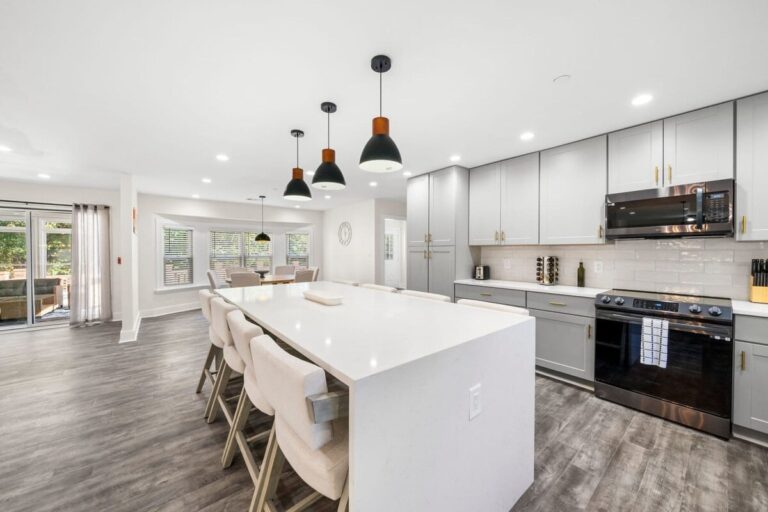
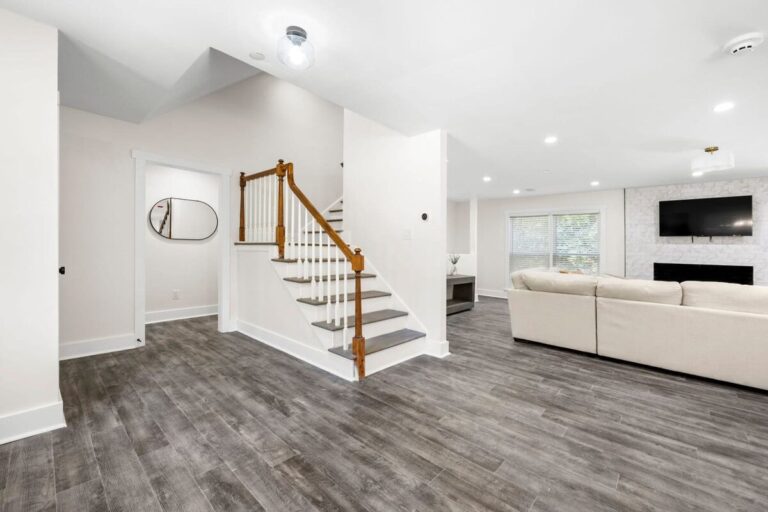
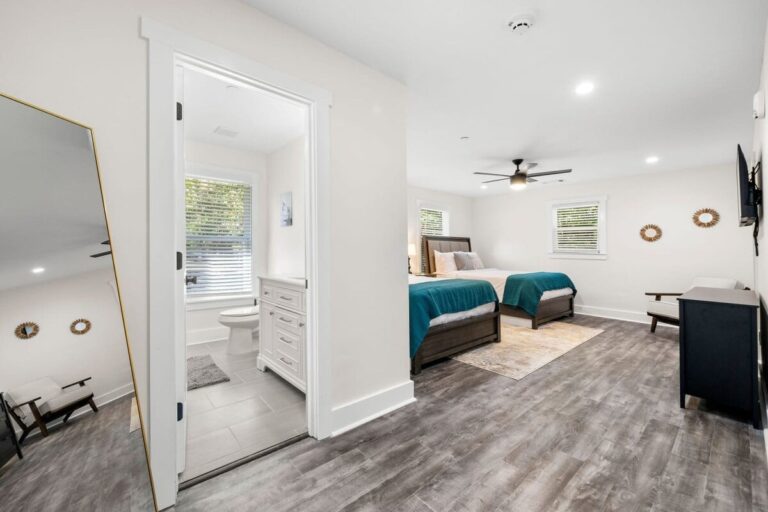
Nobody commutes from Duval County to a nine o’clock group in Fayette County. Traveling for outpatient care means living near the program for a stretch of weeks and going home when the episode of care is finished. Housing here is community-based rather than on site, coordinated through the program: somewhere to sleep and cook, not a hospital wing. The clinical day happens at the center and the rest of the day belongs to you, which is both the point of this level of care and its main demand.
The schedule decides whether it fits, so here it is plainly. Every track starts at 9:00 in the morning, Monday through Friday. Partial hospitalization runs 9:00 to 4:00, five days. Intensive outpatient runs five mornings from 9:00 to noon, or three mornings, usually Monday, Wednesday, and Friday, until about 12:45. There is no evening group. Virtual and hybrid tracks are in development and are not open yet.
Read as a filter, that is useful. If the plan depends on holding a full-time Jacksonville job and dialing into groups after dinner, this is not the care that will work, and hearing it now beats discovering it in week three. If you are on medical leave, between jobs, or stepping down after a hospital stay, a weekday morning schedule stops being an obstacle.
The Question Florida Families Should Ask First
Residential care stabilizes a person inside a protected setting. Outpatient care is where new coping strategies get written and tested against a real day, which is the reason the level exists. Traveling for it adds a complication worth naming: for those weeks, the day being tested is a Georgia one, with quieter roads, no coworkers, and none of the usual triggers in reach.
Two things keep that from becoming a problem. Family therapy is built into programming rather than offered as visiting hours, so the household back home is working on the same material at the same time. And on the first call, ask what the plan is for the week after the last group. That question deserves a direct answer, and how a program handles it tells you a great deal.
Why People Leave Duval County to Get Care at All
Jacksonville does not lack good clinicians. It has them, along with major hospital systems and a real recovery community. The gap most families hit is in the middle. Emergency departments exist and weekly therapy exists; the rungs between, the ones giving a person twenty or thirty structured hours a week without an overnight bed, are thinner almost everywhere.
Florida’s own agency is candid about why. The Department of Children and Families runs the state’s Office of Substance Abuse and Mental Health as the single state agency, contracting with seven Managing Entities that coordinate publicly funded care through local provider networks. The department says so without euphemism: publicly funded services in any given area are, in its own words, limited by the amount of funding available in that area (Florida Department of Children and Families, n.d.). Anyone who has spent a week on hold looking for a spot in Duval County knows what that sentence means in practice.
The national picture rhymes. In 2022 an estimated 59.3 million American adults had any mental illness, and 30.0 million of them, 50.6 percent, got any mental health treatment that year (National Institute of Mental Health, n.d.). Close to half did not. Some of that is stigma and some is money. A large share is that the right level of care was not available in the window when somebody was finally willing to accept it.
Before anyone books a hotel in Georgia, it is worth exhausting what is closer. Jacksonville University’s counseling center publishes a directory of national mental health organizations for families with no idea where to begin (Jacksonville University, n.d.), and the federal treatment locator lists licensed programs by ZIP code, including some a short drive from Riverside or the Beaches (Substance Abuse and Mental Health Services Administration, n.d.). If something local fits, take it. Distance is not a virtue by itself.
What the Programs Look Like at Peachtree Wellness Solutions
What brings Florida households up anyway is usually the combination. Peachtree Wellness Solutions treats mental health and substance use in the same building, which sounds unremarkable and is not. Many programs handle one and refer out for the other, and people slip through that seam constantly. Depression running alongside heavy drinking is what clinicians mean by a co-occurring disorder, two conditions feeding each other, and dual diagnosis care takes them on together rather than in sequence.
Two levels carry the work, and choosing between them comes down to how many hours of structure a week somebody needs. A partial hospitalization program is the heavier one, running from morning into late afternoon five days a week, and it fits a person whose sleep, appetite, and ability to hold a day together have gone at once. An intensive outpatient program runs a shorter morning schedule and is where most people eventually land. If that choice is still fuzzy, the practical distance between inpatient and outpatient mental health care is worth sorting out first.
Care is physician-supervised, with weekly individual sessions held by a master’s-level therapist alongside daily group work. The toolkit runs wider than talk therapy, because conditions that have been going for years settle into the body as much as the thinking.
- Skills-based therapy: Cognitive behavioral therapy, which works on the thoughts that keep circling back, and dialectical behavior therapy, which builds the ability to ride out a spike of feeling without acting on it.
- Trauma work paced so it does not flood you: Somatic therapy, which works on what a year of bracing does to the jaw, the shoulders, and the gut, alongside trauma-informed therapy and yoga adapted for it.
- Tools aimed at the body’s alarm system: Neurofeedback, biosound therapy, red light therapy, and Alpha-Stim, a small device that runs a low current through clips on the earlobes to bring anxiety down.
- Ways in that are not talking: Art therapy and music therapy, which matter most in the stretches where a person has simply run out of language for it.
- Medication chosen with better information: Medication-assisted treatment including Vivitrol, Sublocade, Suboxone, and Naltrexone, plus genetic testing, which checks up front how a body tends to break down a given drug rather than learning it across three failed trials.
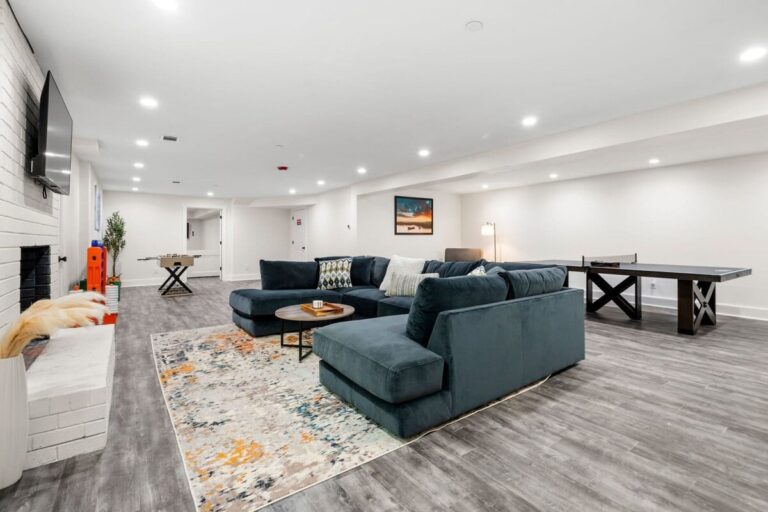
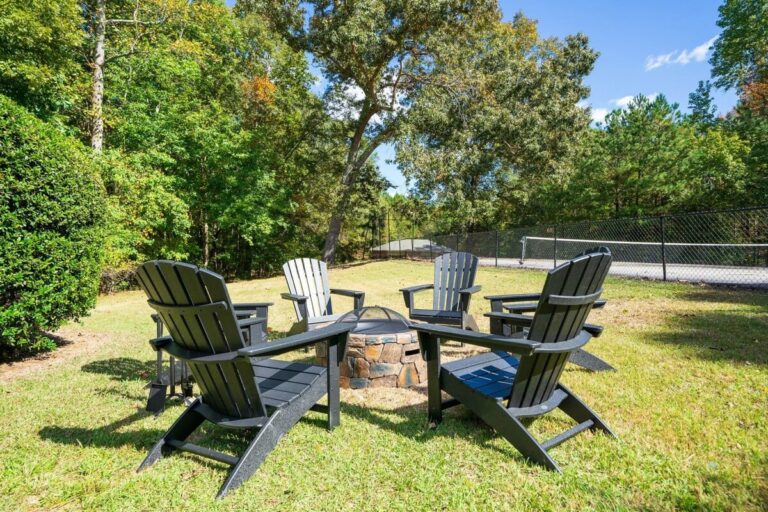
- The ordinary things that make a day livable: Catered meals, a gym, a basketball court, tennis, ping pong, and foosball, because thirty structured hours a week is a long time to spend in a chair.
Getting There, and What Peachtree City Is Like When You Arrive
The drive is simple enough to say in one breath. I-10 west out of Jacksonville to Lake City, north on I-75 through the length of south Georgia past Valdosta, Tifton, and Cordele, around Macon, then off at Griffin onto GA-16 west and up GA-74 into Peachtree City. Some people run I-95 north to Savannah and cut west on I-16 instead; it is the prettier drive and about an hour longer. Either way, plan on five and a half hours, more if Macon or the south side of Atlanta is having a day.
Flying works too, and for relatives who cannot give up a whole weekend it works better. Atlanta is a short flight out of JAX, and the center is roughly 45 minutes south of Hartsfield-Jackson, close enough that someone can make a session and still catch an evening flight home.
The town itself is what surprises people from Jacksonville. Duval County is close to 900 square miles built around a river, a beltway, and the traffic both generate. Peachtree City is a small Fayette County town threaded with golf cart paths, where plenty of households run errands by cart and the loudest thing on most streets is a lawn mower. That is not scenery. For a nervous system braced for a year, dropping the ambient noise by that much does real work in the first two weeks.
Insurance and Cost for a Florida Household
Cost tends to be the question sitting underneath all the other questions. Under federal parity law, a plan that covers behavioral health generally has to handle it on terms comparable to the rest of medicine. It cannot quietly set tighter visit caps or tougher approval steps for a therapy program than it sets for a knee replacement (Centers for Medicare & Medicaid Services, n.d.). That protection is real. It is also not a promise about your specific policy.
Two networks are contracted here. Tricare East Select and Prime is one. The other is Optum, which covers UnitedHealthcare, UMR, Surest, and Oscar. Jacksonville is a military town, so the Tricare line comes up often, and it deserves a plain answer instead of a shrug: a Tricare East contract is not a VA relationship, and benefits administered through the VA run on a separate system that should never be assumed from a Tricare listing. If a household is working from VA benefits, ask about that specifically and get the answer before anyone drives anywhere.
If your card says something else, that is not automatically a no, and it is not automatically a yes either. It means someone has to read the actual policy, including how it treats out-of-state outpatient care, and tell you what it says. Our admissions team will pull your benefits and what they cover and tell you what the numbers actually look like, because finding out in week two is how a family ends up with two crises instead of one.
We Work With Most Insurance
Most major health insurance plans with out-of-network benefits can cover the costs associated with our program. Find out your coverage options right now.





From Jacksonville to Peachtree City, Starting With Questions Instead of a Suitcase
The Florida calls usually start with somebody else. A mother in Arlington, a husband in Neptune Beach, a sister in Ponte Vedra who has been reading treatment pages for three weeks without telling anyone she is doing it. If that is you, being the one who picks up the phone is not overstepping, and you are entitled to ask every question you have before anybody agrees to anything. Ask them to our admissions team and find out what leaving Duval County for a few weeks would actually require: the schedule, the housing, the coverage, and what the week after the last group looks like.
If tonight is an emergency, start with 988. The Suicide and Crisis Lifeline takes calls and texts from anywhere in Florida or Georgia, and it comes ahead of any paperwork. If today is only for finding out what would be involved, that is a complete and reasonable reason to reach out. Nobody has to pack anything to ask a question.
fAQs about Mental Health Treatment for Jacksonville Residents at Peachtree Wellness in Georgia
Not a full-time Jacksonville job, no. Every track here begins at 9:00 in the morning on weekdays. Partial hospitalization runs until 4:00 and intensive outpatient until noon or roughly 12:45, all in person, with no evening group and no virtual option open at this time. Some people arrange remote or reduced hours around a morning schedule, and many come while on medical leave or between roles. If protecting a full workweek is the priority, say so on the first call.
Often, though it depends entirely on the plan. Peachtree Wellness Solutions holds two network contracts: Tricare East Select and Prime, and Optum, which covers UnitedHealthcare, UMR, Surest, and Oscar. Federal parity rules require most plans covering behavioral health to apply comparable limits to those benefits and to medical care. Out-of-state outpatient care is handled differently from policy to policy, so the only reliable answer comes from reading yours. Admissions will do that and give you the numbers before you commit to anything.
About 370 miles and five and a half hours, taking I-10 west to Lake City, I-75 north past Valdosta, Tifton, and Macon, then GA-16 west at Griffin and GA-74 into Peachtree City. Add time if Atlanta traffic is involved. Family therapy is part of programming rather than a visiting policy, and the distance is short enough to drive up on a Saturday and be home Sunday. Flying is the other option, since the center is about 45 minutes south of Hartsfield-Jackson.
Sources
- Centers for Medicare & Medicaid Services. (n.d.). The Mental Health Parity and Addiction Equity Act (MHPAEA). Retrieved from: https://www.cms.gov/marketplace/private-health-insurance/mental-health-parity-addiction-equity. Accessed on August 19, 2026.
- Florida Department of Children and Families. (n.d.). The system of services and support. Retrieved from: https://www.myflfamilies.com/services/samh/treatment-services/AMH/system-of-services-and-support. Accessed on August 19, 2026.
- Jacksonville University. (n.d.). Organizations. Student Counseling Center. Retrieved from: https://www.ju.edu/counseling/resources_organizations.php. Accessed on August 19, 2026.
- National Institute of Mental Health. (n.d.). Mental illness. Retrieved from: https://www.nimh.nih.gov/health/statistics/mental-illness. Accessed on August 19, 2026.
- Substance Abuse and Mental Health Services Administration. (n.d.). FindTreatment.gov. Retrieved from: https://findtreatment.gov/. Accessed on August 19, 2026.
- 988 Suicide & Crisis Lifeline. (n.d.). 988 Suicide & Crisis Lifeline. Retrieved from: https://988lifeline.org/. Accessed on August 19, 2026.