

Mental Health Treatment for South Carolina Residents in Georgia
Peachtree Wellness Solutions offers partial hospitalization and intensive outpatient care in Peachtree City, Georgia. From Greenville that is closer than Charleston, and from Columbia it is a long morning on I-20, so the right answer depends on which part of the state you are leaving from.
Travel time depends on where in South Carolina you live. Someone in Spartanburg lives closer to Atlanta than to Charleston. Someone in Mount Pleasant can reach Savannah faster than Greenville. When a family starts looking for structured mental health care and widens the search past the state line, the first useful question is which South Carolina they are calling from, because the trip to Peachtree City runs from a long morning to most of a day.
The level of care most people are looking for sits between a weekly therapy hour and a hospital stay: several mornings a week of structured treatment, with nights spent outside a hospital. Peachtree Wellness Solutions provides that as outpatient mental health treatment for adults living with depression, anxiety, bipolar disorder, trauma, and the drinking or drug use that often travels with them. South Carolina is one of the states we serve from the south metro, and the distance comes first.
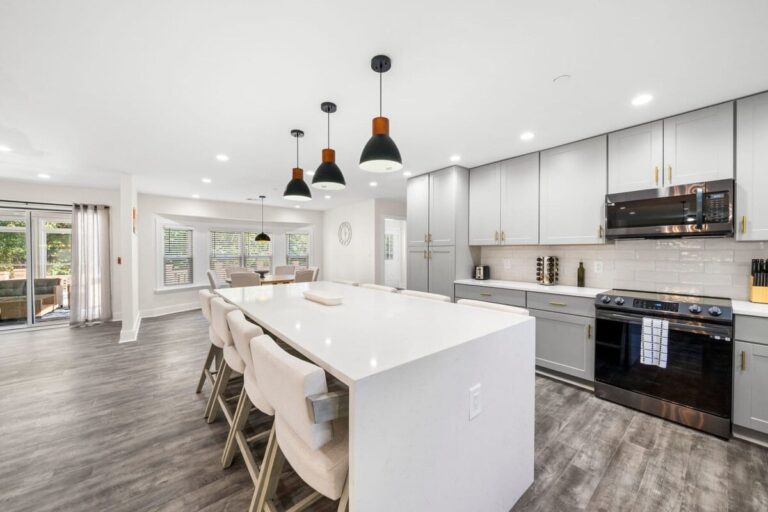
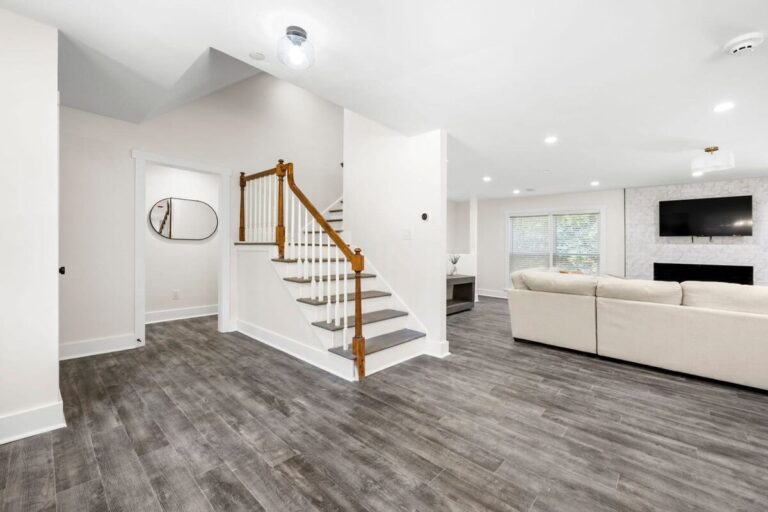
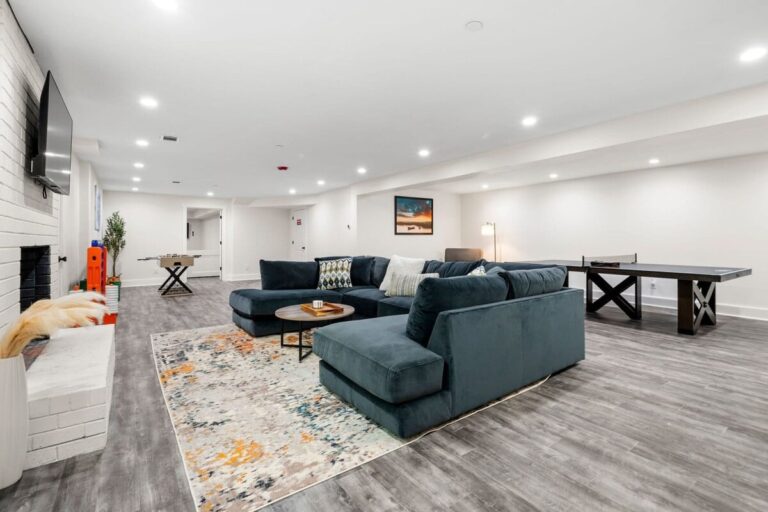
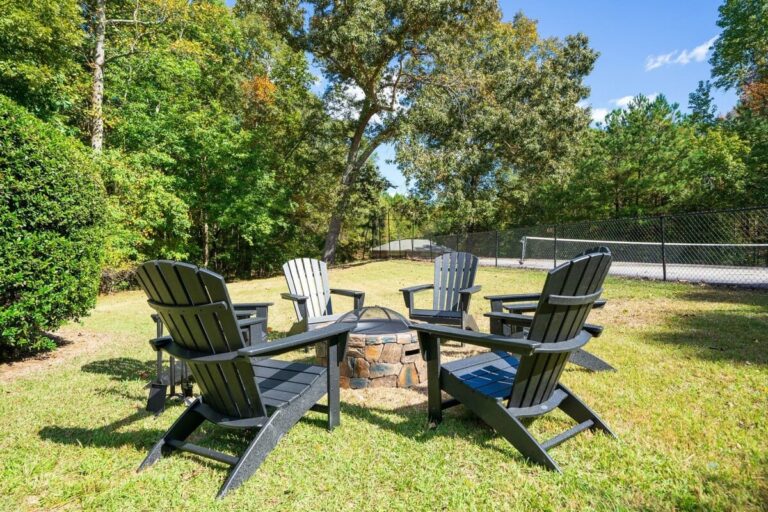
Three Different Trips From One State
Drive times below are ordinary-traffic estimates to Governors Trace. Add time for the Atlanta metro at rush hour, which can turn the last 30 miles into the longest part of the day.
- The Upstate: Greenville, Spartanburg, Anderson, and Clemson all sit on or near I-85, and I-85 runs straight into Georgia across Lake Hartwell. Anderson and Clemson are about two and a half hours out. Greenville is about 175 miles and just under three hours. Spartanburg adds another half hour. For this corner of the state, Peachtree City is a reasonable one-day drive.
- The Midlands and the Augusta side: Columbia comes west on I-20 through Augusta and into the Atlanta metro, about 240 miles and close to four hours. Aiken and North Augusta are nearer, roughly three hours, because they sit right on the Savannah River across from Augusta.
- York County: Rock Hill and Fort Mill are Charlotte suburbs in everything but the state line, and from there the trip is the same four-and-a-half-hour run down I-85 that Charlotte residents coming to Peachtree City make, through Gaffney and Greenville and across the lake.
- The Lowcountry and the Grand Strand: Charleston is about 325 miles and five-plus hours, inland on I-26 to Columbia and then I-20. Beaufort is similar. Myrtle Beach is six hours or more. From the coast, this becomes a flight.
Flying is simple from almost anywhere in the state. Greenville-Spartanburg, Columbia, Charleston, and Myrtle Beach all have service into Hartsfield-Jackson, and Peachtree City sits about 45 minutes southwest of the airport, down I-85 and out GA-74.
Why This Is a Stay, Even From Anderson
Partial hospitalization and intensive outpatient care are built around a person going home at the end of each day. That is what separates them from a hospital or a residential program. Every track here starts at 9:00 a.m. Monday through Friday, in person. Partial hospitalization runs until 4:00 in the afternoon. The intensive outpatient program runs mornings only, either five days a week or three.
Two and a half hours each way, five mornings a week, is not a plan anyone should try to keep. Even from Clemson, coming here means staying in the area for the length of the program. In practice that has meant an extended-stay hotel off GA-54, a short-term rental in Fayette or Coweta County, or a relative’s guest room somewhere in the south metro. Peachtree Wellness Solutions does not have housing on its campus, and that is the first logistical piece to settle. The admissions team talks it through on the first call rather than leaving a family to solve it alone. Virtual and hybrid formats are listed as coming soon, so they are not something to plan around yet.
There is no evening or weekend track. Anyone working a second-shift job or planning weekly drives home to Sumter should factor that in before arranging a stay.
Why a South Carolina Family Looks Toward Georgia
Most South Carolina adults who need this level of care should find it close to home, and many do. The calls that reach us from across the river tend to come for a few recurring reasons.
The first is timing. A person who has just been discharged from a hospital stay in Greenville or Columbia needs the next step within days, not after a spring opening. When the nearest program with the right intensity has a waitlist, a three-hour drive starts to look small next to a month of waiting at home.
The second is the setting itself. Depression and anxiety can become tied to familiar places, routines, and relationships. In the smaller towns of the Upstate and the Pee Dee, where the pharmacist, the pastor, and the boss may all know the family, being seen in a waiting room is a real concern. Leaving the state is not the only way to protect privacy, but for some adults, a few weeks somewhere nobody knows them is what makes them willing to start.
The third is coverage. South Carolina is home to Fort Jackson, Shaw Air Force Base, Joint Base Charleston, and the Marine installations around Beaufort, and military households carry TRICARE. Peachtree Wellness Solutions is in-network with TRICARE East Select and Prime, and TRICARE lists both mental health and substance use disorder treatment as covered care. For a family that has been told “out of network” at every program within an hour, that can change the conversation.
What the Weeks Look Like in Peachtree City
The clinical day is built around a few core therapies, with a strong emphasis on calming a nervous system that has been on high alert for months. People tend to step from PHP down to IOP as things steady, rather than picking one and staying there.
What Fills the Mornings
- Cognitive behavioral therapy: CBT works on the thought patterns that keep feeding depression and anxiety, such as the automatic “this will go badly” that arrives before anything has happened.
- Dialectical behavior therapy: DBT teaches emotion regulation and distress tolerance, which means practical skills for getting through a surge of feeling without making the moment worse.
- Trauma-informed care: For trauma that built up over years rather than arriving in one event, complex PTSD treatment moves at a pace the person can tolerate.
- Neuro-regulation work: Neurofeedback, the Biosound therapy room, Alpha-Stim, and somatic therapy all aim at the body side of anxiety and trauma, helping the brain and nervous system settle into a calmer baseline.
- Family involvement: Family therapy brings in the people the client chooses, which matters when the family is three hours away and wants to understand what changed.
- Co-occurring substance use: When drinking or drug use has become part of how someone copes, dual diagnosis treatment works on both at the same time.
Pharmacogenetic testing, a cheek-swab test that shows how a person’s body is likely to process certain medications, is available here too. That can help when someone has already cycled through several prescriptions without relief.
The town shapes the experience as well. Peachtree City was planned around roughly 100 miles of golf-cart paths running through the woods between neighborhoods, and the traffic mostly stays out on GA-54 and GA-74. For someone coming off a hard stretch in Columbia or Rock Hill, mornings in a slower, quieter place are part of what makes the clinical work possible.
What South Carolina Offers Close to Home
Before anyone books a hotel, it is worth looking at what is closer. South Carolina’s public mental health system runs through a network of regional community mental health centers, from the Greater Greenville and Anderson-Oconee-Pickens centers in the Upstate to the Columbia Area center in the Midlands and the Charleston-Dorchester center on the coast. They are now overseen by the state’s Department of Behavioral Health and Developmental Disabilities. Private hospital systems in Greenville, Columbia, and Charleston run their own behavioral health services as well.
The federal treatment locator at FindTreatment.gov filters programs by level of care, location, and payment type, which is the fastest way to see whether a partial hospitalization or intensive outpatient program near you can take you now. If tonight is a crisis, 988 comes first. A call or text reaches a trained crisis counselor who listens and helps work out the next step.
The gap families describe in South Carolina mirrors the one we hear about from every state. Crisis care handles the worst nights, and weekly outpatient therapy handles maintenance. In between sits the structured several-mornings-a-week level, and it fills quickly. Level-of-care decisions follow a published framework, The ASAM Criteria, which matches the intensity of treatment to how a person is doing and steps it down as they stabilize. If what you need is open nearby at the right level, start there.
Coverage From a South Carolina Plan
Insurance networks are set by the plan, not by the state where you live. Peachtree Wellness Solutions is in-network with Optum plans, including UnitedHealthcare, UMR, Oscar, and Surest, and with TRICARE East Select and Prime. A Greenville household carrying one of those plans is in-network here the same way it would be at home. Details on UnitedHealthcare coverage for mental health treatment are a good starting point if that is the card in your wallet.
Federal parity law requires most health plans that cover mental health and substance use care to apply rules to those benefits that are no more restrictive than the rules for medical and surgical care. It does not make every plan the same. Deductibles, prior authorization, and how often a plan reviews continued treatment all vary. Our admissions team checks your specific benefits and explains what they cover before an assessment, and if your plan is not one we work with, you will hear that at the start.
We Work With Most Insurance
Most major health insurance plans with out-of-network benefits can cover the costs associated with our program. Find out your coverage options right now.





Begin With an Assessment From Anywhere in South Carolina
The first step is a conversation about what the last few months have actually looked like, and a clinician’s read on what level of care fits. That may be this program, with a few weeks in Peachtree City worth arranging. It may be a center in Spartanburg or Florence, and we will tell you that plainly. You can call about yourself or a family member, ask every question you have, and commit to nothing on that first call. Reach the Peachtree Wellness Solutions admissions team to go over benefits, the schedule, and where you would stay. If someone is in danger right now, call or text 988 or call 911 first.
FAQs About Mental Health Treatment for South Carolina Residents in Georgia
From Greenville it is about 175 miles and just under three hours on I-85, crossing into Georgia at Lake Hartwell. From Columbia it is about 240 miles and close to four hours west on I-20 through Augusta. Charleston and the coast run five hours or more, which is where flying into Hartsfield-Jackson makes sense. Peachtree City is about 45 minutes southwest of the airport. Every estimate grows if you hit the Atlanta metro at rush hour.
Not realistically. Programming starts at 9:00 a.m. on weekdays, in person, and even Anderson or Clemson is around two and a half hours each way. South Carolina residents stay in the area for the length of the program, usually in an extended-stay hotel, a short-term rental, or with family nearby. There is no housing on the Peachtree Wellness Solutions campus, so the admissions team helps you think through the options before a start date is set.
Network status follows the plan, not the state. Peachtree Wellness Solutions is in-network with Optum plans (UnitedHealthcare, UMR, Oscar, and Surest) and with TRICARE East Select and Prime, which matters for families connected to Fort Jackson, Shaw, Joint Base Charleston, or Beaufort. Each policy still has its own deductible and authorization rules, so admissions reads your specific benefits and explains them before any assessment. If we do not work with your plan, you will be told up front.
Usually, yes. The state’s regional community mental health centers, private hospital behavioral health programs, and the FindTreatment.gov locator are the right first places to check, and 988 is the right first call in a crisis. Families tend to look toward Georgia after the nearby options turn up a long wait for structured, several-mornings-a-week care, or when TRICARE or Optum coverage narrows the list. An assessment call can help sort out which situation you are in.
Sources
- Substance Abuse and Mental Health Services Administration. (n.d.). FindTreatment.gov. Retrieved from: https://findtreatment.gov/. Accessed on October 29, 2026.
- 988 Suicide & Crisis Lifeline. (n.d.). What to expect when you call. Retrieved from: https://988lifeline.org/get-help/what-to-expect/. Accessed on October 29, 2026.
- American Society of Addiction Medicine. (n.d.). The ASAM criteria. Retrieved from: https://www.asam.org/asam-criteria. Accessed on October 29, 2026.
- TRICARE. (n.d.). Substance use disorder treatment. Retrieved from: https://www.tricare.mil/CoveredServices/IsItCovered/SubstanceUseDisorderTreatment. Accessed on October 29, 2026.
- Centers for Medicare & Medicaid Services. (n.d.). The Mental Health Parity and Addiction Equity Act (MHPAEA). Retrieved from: https://www.cms.gov/marketplace/private-health-insurance/mental-health-parity-addiction-equity. Accessed on October 29, 2026.
- Substance Abuse and Mental Health Services Administration. (n.d.). Co-occurring disorders. Retrieved from: https://www.samhsa.gov/substance-use/treatment/co-occurring-disorders. Accessed on October 29, 2026.
Overview
- Where it is: 100 Governors Trace in Peachtree City, Georgia, on the south side of the Atlanta metro. Peachtree Wellness Solutions is not located in South Carolina.
- How far: About 175 miles and under three hours from Greenville, roughly four hours from Columbia, and five or more from Charleston and the coast.
- What it is: Adult partial hospitalization (PHP) and intensive outpatient (IOP) mental health treatment, in person on weekday mornings, with co-occurring substance use treated alongside.
- Where you sleep: There is no housing on site. South Carolina residents stay in the area for the length of the program, and admissions works through that with you.
- Coverage: In-network with Optum (UnitedHealthcare, UMR, Oscar, and Surest) and with TRICARE East Select and Prime.